The type of surgery to remove a part of the colon without affecting the way your GI tract works is known as a hemicolectomy. After the removal of the affected part of the bowel, the surgeon will connect two healthy ends. This way, you will have almost no impact on your bowel.
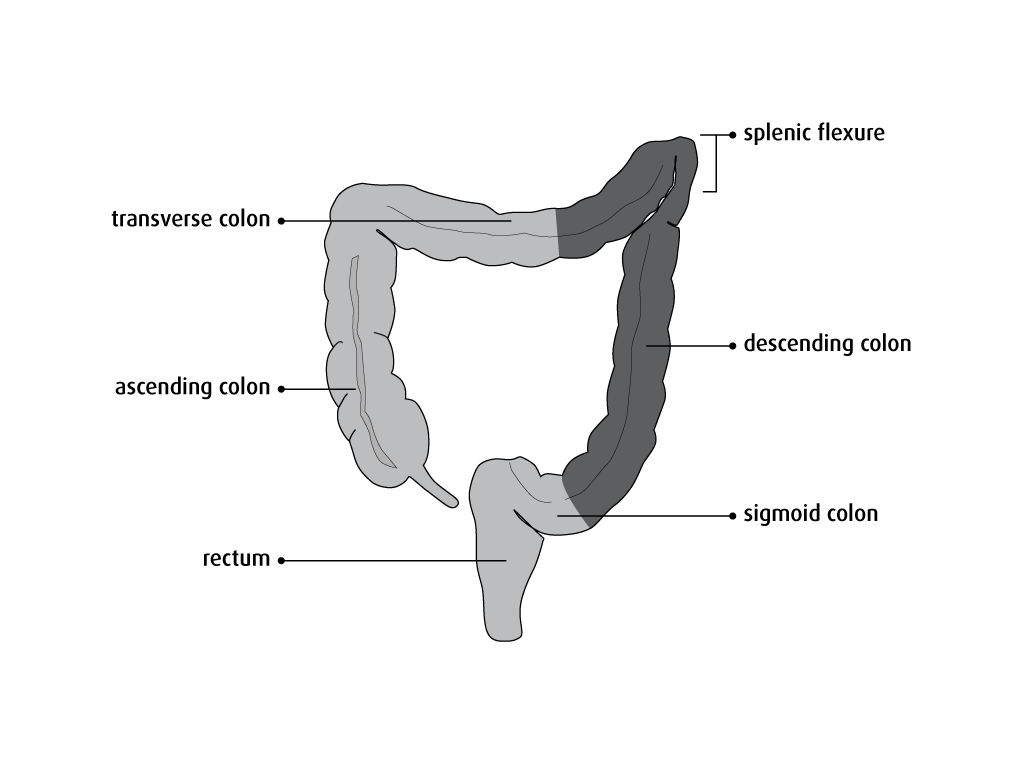
The reason you may need this surgery may be the development of cancer in the bowel. A hemicolectomy also treats the following conditions.
- Injury or trauma to your bowels
- Inflammatory bowel disease
- Polyps
- Diverticulitis
Types
The types of hemicolectomy depend on the location of the surgery site: left or right. A right hemicolectomy involves the removal of the ascending colon. After that, the small intestine is connected to the transverse colon. In the left hemicolectomy, the descending colon is removed, and the transverse colon is attached to the rectum.
Health considerations
You are the candidate for hemicolectomy if you are in good health, apart from the conditions that necessitated you to undergo a hemicolectomy. However, this procedure can result in some complications if you have one or more of the following conditions.
- Heat condition
- Pregnancy
- Bleeding and clotting issue
- Scar tissue from previous abdominal surgery
- Obesity
- Advanced colon cancer
Preparing for surgery
You will need a full physical examination before undergoing this surgery. It will allow your doctor to check whether or not you will develop further complications after surgery. Your doctor will also let you know if you are in the need to have a stoma. A stoma is created when the lower part of the bowel is unfit to process bowel movements. The stoma allows you to empty your bowels without letting waste materials pass through your anus.
Before surgery, your surgeon will ask you to take laxatives to clear your bowels for the operation. This step reduces the risk of infections. Your surgeon will also recommend you not to eat or drink anything 12 hours before surgery.
Procedure
The procedure will start after your surgeon will put you to sleep by administering general anesthesia. This way, you will not feel any pain during surgery.
The surgeon will either make several small incisions or one large incision to operate. The procedure involving several small incisions is known as the laparoscopic procedure. The surgical team will use a small camera and some tools to operate on your intestines. In some cases, the surgical staff performs open surgery, which involves one large incision to access the bowel. This procedure is more invasive than the laparoscopic one.
After removing the affected part of the colon, the surgeon will reconnect the healthy ends of the bowel. This way, your rectum, and anus will continue to pass out stools after surgery. You might have to have a stoma for a few weeks after surgery. It will be to allow the surgery site to recover from the impact of the operation. Once your bowel is fully recovered, you will have to undergo another surgical procedure to reverse your stoma.
Recovery
You will have to remain hospitalized for a few days after surgery. It will be to allow your surgical staff to monitor you for a few days and check how well you are going with the initial recovery. After a few days, you will be allowed to go home.
At home, you may have to remain committed to a more restricted diet and physical activity plan. After a few weeks, you can get back to a more active lifestyle and eat anything you want. During and after the recovery phase, you can ask anything from your doctor in case you have any concerns or questions.
 Colorectal Health Blog